What an Investor Ban Could Mean for Southwest Florida Homeowners
Timothy Steeves June 26, 2026
Timothy Steeves June 26, 2026
You may have seen recent headlines about Donald Trump signaling support for limiting large Wall Street investors from buying single-family homes. The goal, according to the announcement, is to improve housing affordability nationwide.
While this has sparked discussion across the country, it’s important for Southwest Florida homeowners to understand what this would — and would not — mean for our local market.
Large institutional investors tend to focus on high-volume, lower-price, fast-turnover markets such as parts of Atlanta, Phoenix, Las Vegas, and Dallas–Fort Worth.
Southwest Florida is different.
Our market is primarily driven by:
Institutional ownership here is far less concentrated, meaning a national restriction would not materially change demand or pricing across most of Naples, Bonita Springs, Estero, or Fort Myers.
This proposal is not aimed at markets like ours.
One of the biggest reasons investors continue to hold properties — both large and small — has less to do with buying and more to do with tax incentives.
Under current tax law:
The practical result:
This structure — more than institutional buying alone — plays a significant role in keeping supply tight nationwide.
When fewer homes come to market:
That’s why many housing experts believe tax reform that encourages selling would unlock more inventory than a simple ban on corporate buyers.
Another important nuance: many investors purchase new construction directly from builders, which can actually help keep housing supply moving during slower periods.
A poorly designed national policy could:
Once again, Southwest Florida’s market dynamics make it less vulnerable to these effects.
Real estate is local, and broad national headlines rarely tell the full story for our region.
If you’d like to discuss how inventory, pricing, or buyer demand is affecting your specific neighborhood, I’m always happy to provide clear, thoughtful insight.
Tim Steeves, P.A.
Broker Associate
Coldwell Banker Realty
550 5th Ave S
Naples, FL 34102
Securely anchored here in Southwest Florida
Stay up to date on the latest real estate trends.
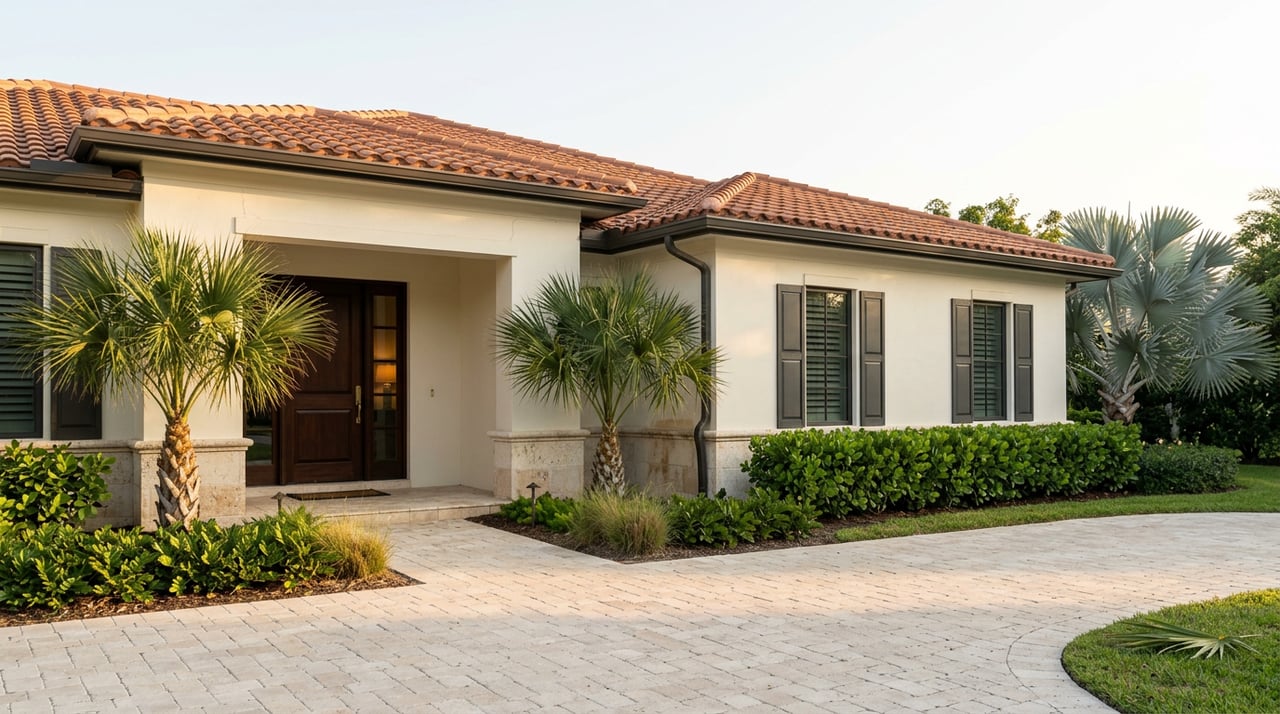

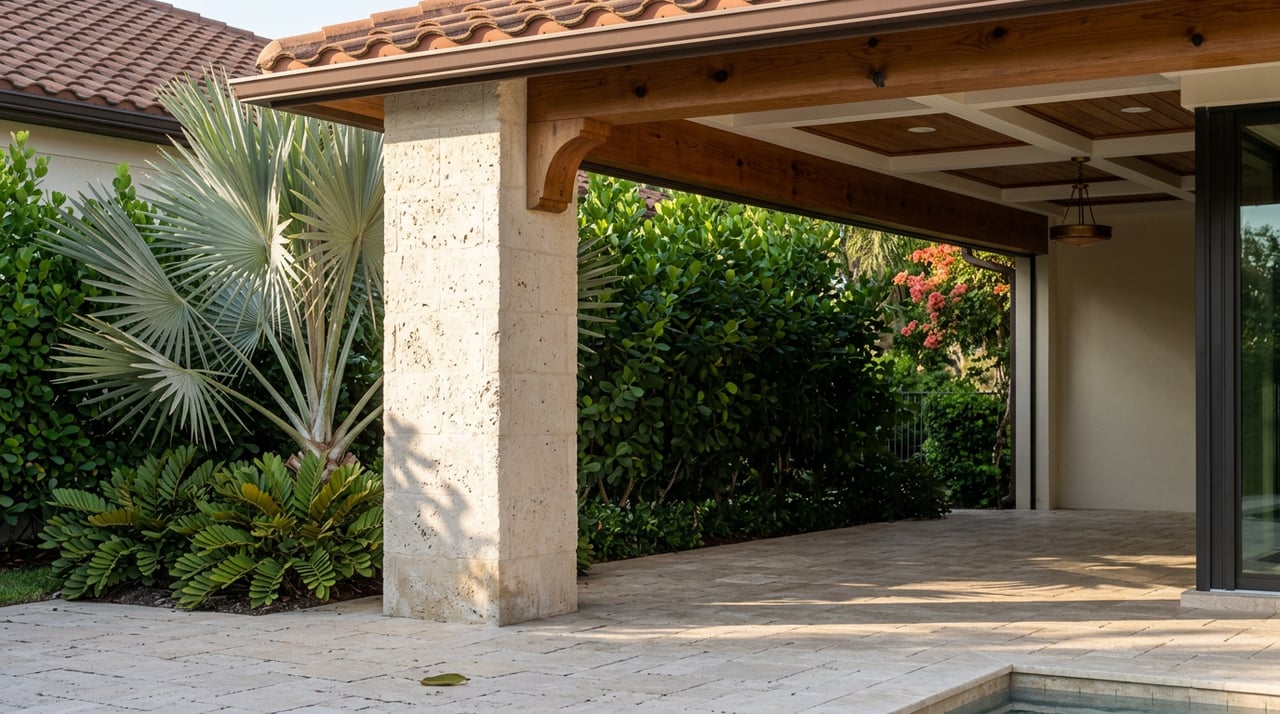
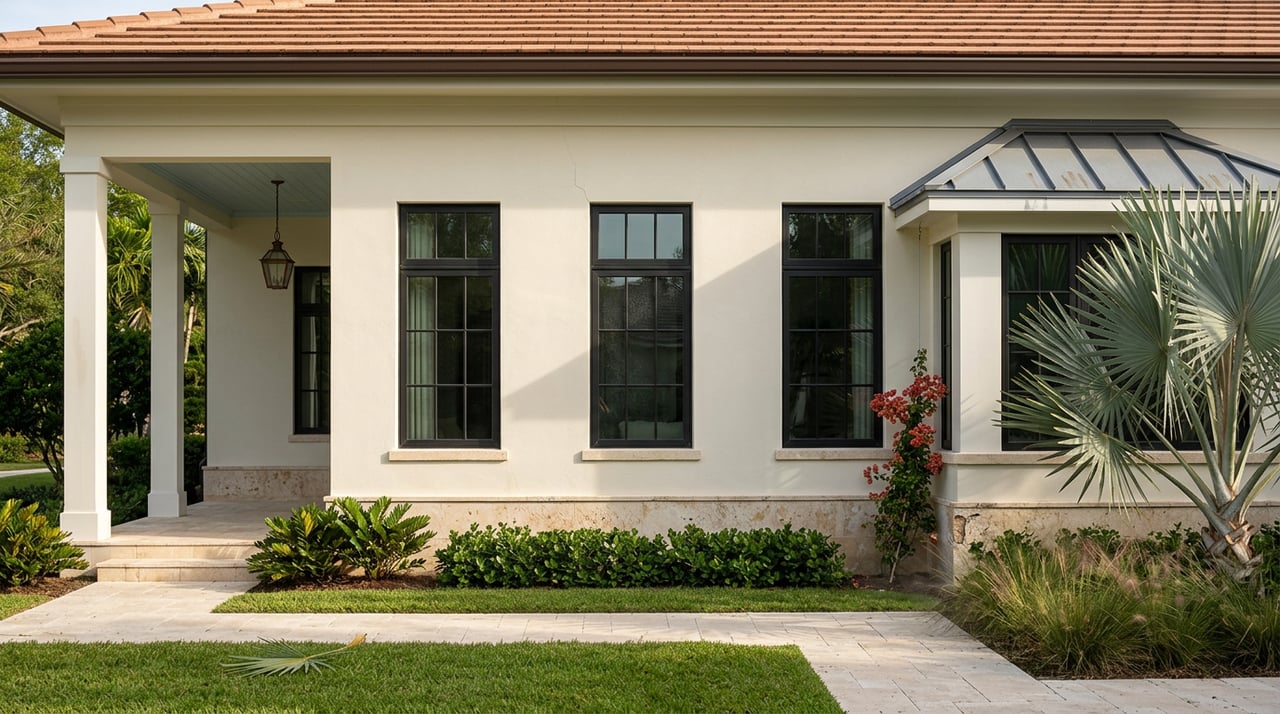
Many housing experts believe tax reform that encourages selling would unlock more inventory.

One important note before we dive in: real estate market data runs approximately one month behind.
The consequences were predictable: inflation ripped to the highest levels in modern American history.

Property tax relief that could free FL homeowners from one of their largest recurring expenses.
With eight years of full-time residential real estate experience in the Naples, Bonita Springs, and Estero markets, Tim has developed an intimate understanding of what drives housing decisions in one of America's fastest-growing regions.