Bonita Bay Club Just Approved a $110 Million Clubhouse. Here's the Question It Actually Answers.
August 27, 2026
August 27, 2026
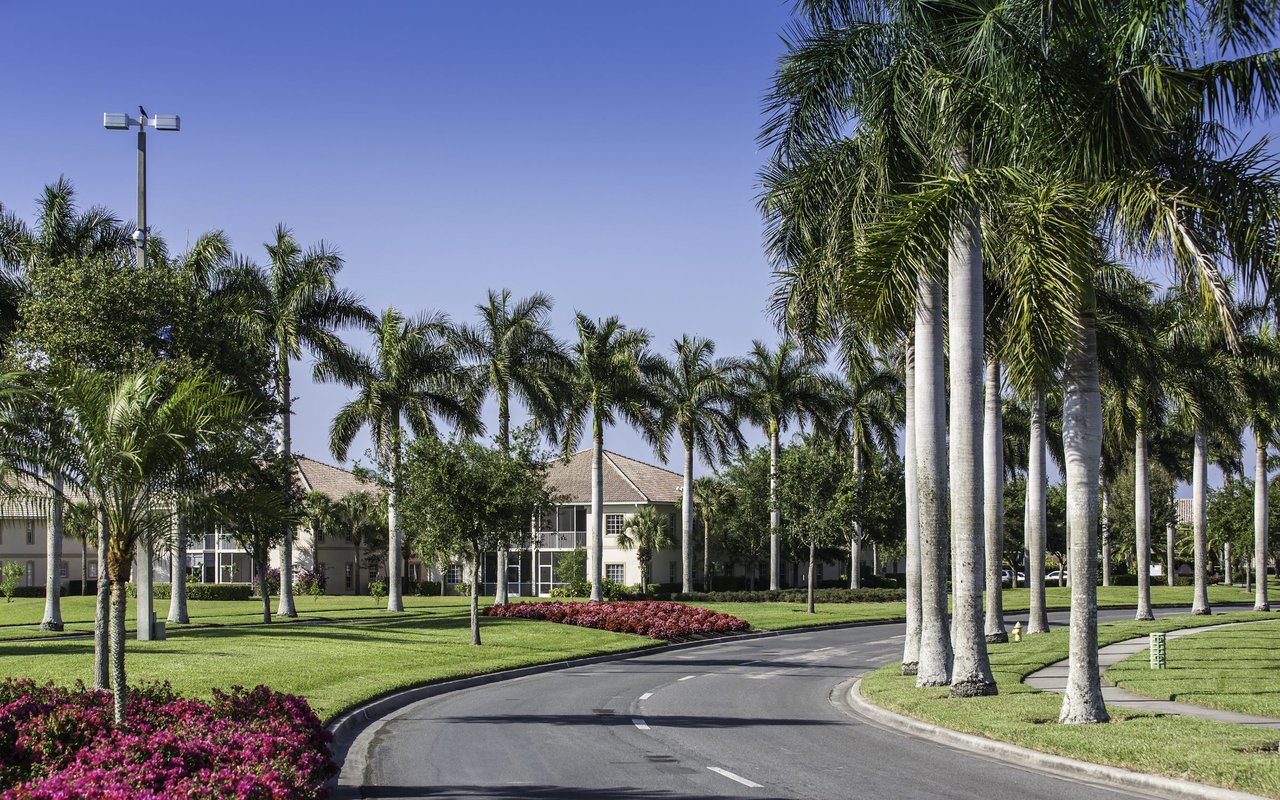
On May 4, 2026, the members of Bonita Bay Club voted to spend $110 million on a new clubhouse. The press release talked about a rooftop bar over the golf courses, an expanded 55th Hole restaurant with a sushi bar, and a Sunset Lounge for casual drinks. None of that is the interesting part for someone looking at a home inside the gates.
The interesting part is who got to vote, and who didn't.
If you're comparing Bonita Bay to other Bonita Springs and Naples communities right now, this is the story worth understanding before you write an offer, because it explains something the listing sheet never will: what you're actually buying when you buy a house here, and what you're not.
Bonita Bay runs on three separate entities, and conflating them is the single most common mistake buyers make when comparing it to other golf communities.
Buy a home inside the gates and you automatically become a member of the Bonita Bay Community Association. That membership isn't optional and it isn't a sales pitch. It's how the roads, streetlights, lake and stormwater systems, the neighborhood parks, and the private beach park get maintained. Annual dues here have historically run in the low thousands depending on home type, and they're not a club fee. They're closer to a municipal bill for a private municipality.
The Bonita Bay Club is a different organization entirely. Golf, tennis, the fitness and spa complex, most of the dining venues. All of it sits behind a second, optional membership with its own initiation fee and its own waitlist. Buying a golf-course-facing home in Bonita Bay does not make you a club member any more than living across the street from a country club would.
Then there's the Bonita Bay Marina, a third entity again, created and owned by a group of resident investors and run separately from the Club. A 30-foot wet slip carried a posted rate of roughly $961 a month as of January 2026. Want the boat and the golf and the beach shuttle? That's three separate relationships with three separate bills, not one bundled amenity package.
The Community Association's own brochure states this plainly: the Marina and the Club operate as separately owned and managed member-exclusive entities within the gates. Most casual descriptions of this community blur that line. Your closing documents won't.
The $110 million clubhouse didn't come out of nowhere, and understanding its history matters more than the number itself.
Members bought the Club from its original developer in 2010. Since then they've put roughly $250 million into capital improvements across both the Bonita Springs and Naples campuses. A Naples clubhouse project finished in 2024. An employee housing complex opened in November 2025. The new $110 million project is being described by the Club's own leadership as the final phase of that multi-decade rebuild, not the start of something new.
Fred Fung, the Club's CEO and general manager, put it this way when the project was announced: "This project is far more than a new clubhouse. It reflects our identity as a member-owned club and the commitment to continuous reinvestment in our amenities."
That's a fair description, and it's also a preview. A member-owned club funds its capital projects from its own membership, phase after phase, on its own schedule. That pattern has been consistent for sixteen years. There is no reason to expect it stops now.
The Community Association has its own recent example of the same dynamic, at a different price point. In March 2025 the board approved a $500-per-unit special assessment to rebuild the Private Beach facility after Hurricane Ian, after change orders including roughly $148,000 in additional insurance and $156,000 for sand removal following Hurricane Helene and Hurricane Milton pushed the final number up from an earlier estimate of about $250 per unit. That assessment was a Community Association charge, unrelated to the Club's clubhouse fund, and it's already been paid. It's worth knowing about anyway, because it shows this community has a track record of billing its members for storm recovery and capital projects at more than one level, not just one.
The clubhouse itself is straightforward on paper. A 140,000-square-foot building on the Club's 2,400-acre Bonita Springs campus, built in two phases so that dining and amenity access continue through construction. Florida coastal architecture. A rooftop bar looking out over the golf courses toward the Gulf.
What changed isn't the building. It's the funding conversation that now sits ahead of anyone thinking about joining.
A member-owned club with a newly approved $110 million project has just committed its membership to funding that project somehow, whether through capital dues, an assessment, financing serviced by future dues, or some combination the Club hasn't detailed publicly. None of the announcements say how the money gets collected. What they do confirm is that the people funding it are the members, present and future.
That's the part a buyer touring a golf-course home should sit with. If you're not a member yet and you're weighing whether to join, you're not just pricing today's initiation fee. You're pricing your share of a project that started construction after you decided to buy.
Here's where the timing gets genuinely strange, and where most advice about "joining before prices go up" falls apart.
Bonita Bay Club caps its golf membership at roughly 250 per course across five 18-hole courses, for a ceiling around 1,250 golf members. Multiple sources describe a multi-year waitlist for full golf access, with no published way to skip it. That's a meaningful difference from some peer clubs in the area. Mediterra, for comparison, also runs a waitlist of five years or more for full golf membership, but a buyer there can sometimes purchase a membership directly from a departing golf member and skip the line entirely. Talis Park caps its membership at 350 golfers total and currently carries a shorter wait with a lower initiation fee than Bonita Bay has historically charged. Bonita Bay offers neither shortcut. You wait in the same line everyone else waits in, regardless of when you closed on your house.
That structure changes what "joining now" actually buys you. Putting down an initiation deposit today doesn't lock in today's price the way it might at a club where membership transfers with the home or where a paid deposit reserves a fixed rate. It reserves your spot in a queue, and whatever fee schedule is in effect when your name reaches the front of that queue is the one you'll pay. Historically, Bonita Bay's golf membership initiation fee has run around $150,000 with annual dues near $19,500, and its sports membership around $60,000 with dues near $10,110, though those figures should be confirmed directly with the Club rather than assumed, since capital projects are exactly the kind of event that moves a fee schedule. One recent club estoppel disclosure for a Bonita Bay Club membership transfer listed a $10,000 resale capital contribution on top of the standard initiation fee, a reminder that capital charges already show up at points of transfer even before this new project breaks ground.
The club question doesn't land the same way in every Bonita Bay subdivision, because the homes themselves span an unusually wide range.
Across the trailing twelve months through early August 2026, 223 Bonita Bay homes closed across 55 subdivisions, priced from $240,000 to $5.9 million, with a median around $750,000. Closed price per square foot over that same period ran from a median of $238 at Hammock Isle up to $845 at Spring Ridge and $830 at Woodlake, with the high-rise corridor sitting in its own band from $367 at Vistas to $692 at Seaglass. A prospective club member buying at the lower end of that range is being asked to consider roughly the same initiation and dues structure as a buyer at the top end. The club math is the same conversation with a very different weight attached, depending on which subdivision you're standing in.
If you're touring homes here, a few questions are worth asking before the club conversation becomes an assumption instead of a decision.
None of these questions are unusual for a Florida golf community. What's unusual here is how cleanly the three entities separate, and how directly this year's clubhouse vote puts a number on a cost that used to be easy to leave vague.
A $110 million clubhouse approval is a strong signal about a club's health and its members' confidence in the property. It's a weaker signal about what a new buyer will actually pay to join, and when they'll get in. Those are two different questions, and only one of them was answered on May 4.
If you're weighing a home in Bonita Bay against other Southwest Florida communities and want a clear-eyed read on what the Community Association, the Club, and the Marina each actually cost and cover for a specific property you're considering, that's exactly the kind of groundwork Timothy Steeves walks through before you write an offer, not after you're already committed. Let's Connect.
Stay up to date on the latest real estate trends.
With eight years of full-time residential real estate experience in the Naples, Bonita Springs, and Estero markets, Tim has developed an intimate understanding of what drives housing decisions in one of America's fastest-growing regions.